
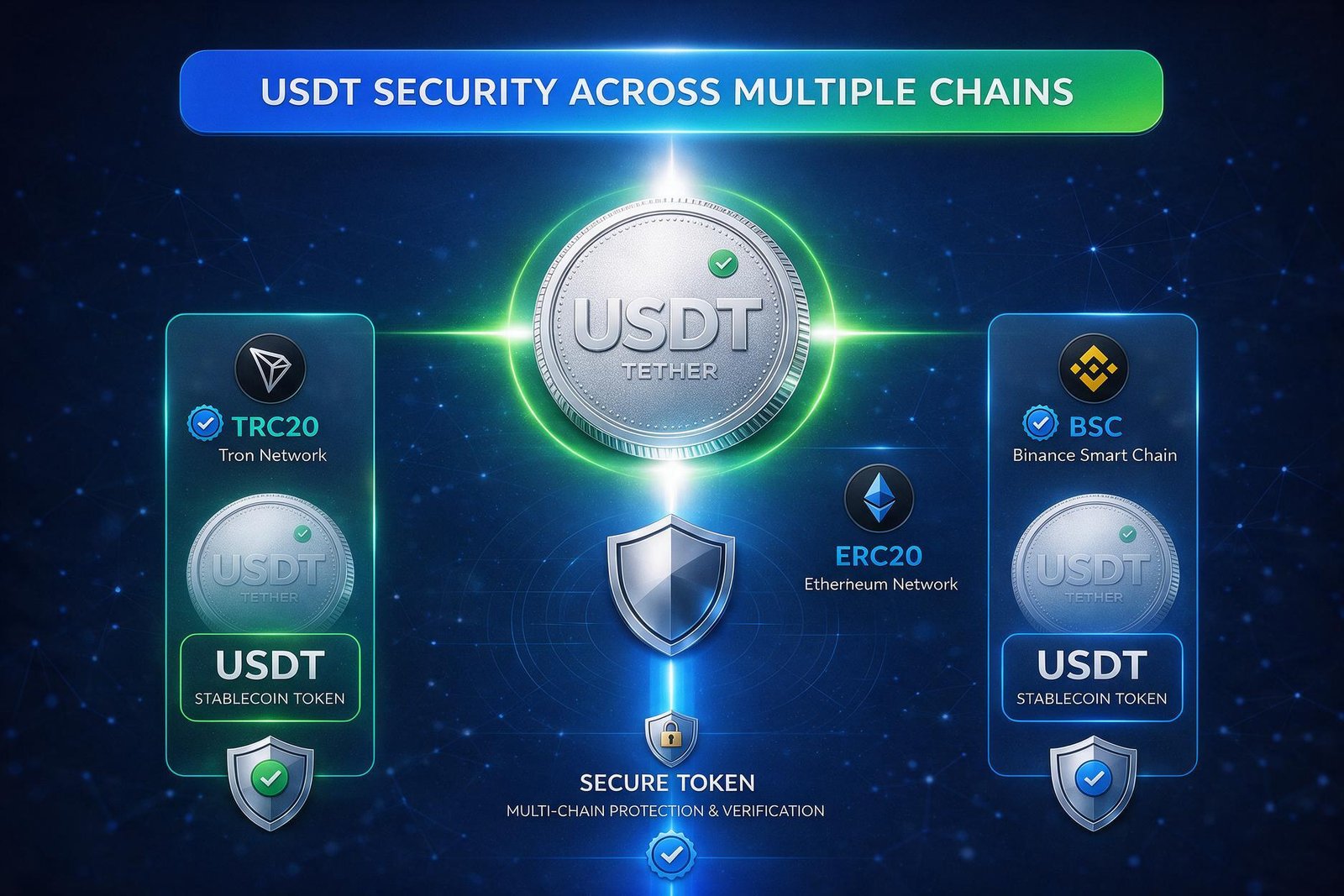
High-yield investment programs (HYIPs) that accept USDT (Tether) often promise very high returns, but most of them are actually Ponzi schemes set up to fail. Before sending any USDT to these programs, investors should carefully check and verify the details to tell the difference between marketing claims and real investment opportunities.
Understanding USDT HYIPs These HYIPs usually claim to offer daily returns of 1 to 5 percent or annual returns of 50 to 300 percent, paid in USDT or through their own internal balances. Although USDT itself is a stablecoin tied to the U.S. dollar, the real risk comes from the unregistered and often anonymous people running these programs. No legitimate investment can promise such high returns without clearly explaining the risks involved
Pre-Deposit Checklist for USDT HYIPs
1. Verify the Operator and Legal Status
Regulatory registration: Check if the company is registered with financial authorities (SEC, FCA, or equivalent). Unregistered operators are a major red flag.wikipedia+1
Company details: Look for a physical address, verifiable team members with LinkedIn profiles, and corporate registration documents. Anonymous teams or offshore shells with no track record signal high risk.sky-finance+1
Domain age: Use WHOIS lookup to check when the domain was registered. Domains created within the last 90 days are high-risk.financely-group+1
2. Scrutinize Return Claims
Guaranteed returns: Any promise of fixed, risk-free yields (e.g., “10% per week guaranteed”) is a hallmark of fraud.weltz+1
Market disconnect: Returns that remain constant regardless of market conditions are unrealistic. Real investments fluctuate.weltz+1
Referral incentives: Formal structures paying you to recruit others indicate a Ponzi mechanism, not legitimate investing.weltz+1
3. Check Withdrawal Terms and Liquidity
Withdrawal history: Search for user reports of successful withdrawals. Platforms that delay, block, or impose unexpected fees on withdrawals are likely scams.sky-finance+1
Lock-up periods: Schemes that discourage withdrawals through bonuses for reinvestment or long lock-ups are managing cash-flow problems, not protecting returns.weltz
Hidden fees: Be wary of “taxes,” “security deposits,” or “release fees” required before you can withdraw—these are classic exit-scam tactics.brokeranalysis+1
4. Assess Technical and Smart-Contract Risks
SSL and hosting: Ensure the site uses HTTPS and professional hosting (e.g., Cloudflare for DDoS protection). Shared hosting or missing SSL certificates are warning signs.yellow
Smart-contract audits: If the platform uses custom tokens or contracts, verify audits by reputable firms listed on regulator registers (PCAOB, IFIAR). Fake or unverifiable auditors are red flags.brokeranalysis
Token mechanics: Look for hidden mint functions, transfer restrictions, or blacklists that could prevent selling. Check if a single wallet controls a disproportionate supply.cryptomunies+1
5. Research Community Sentiment and Reputation
Search for scams: Google the exact domain name plus “scam” or “fraud” before depositing.cryptomunies+1
Monitor forums: Check HYIP monitoring sites and crypto communities for user experiences and payout proofs.yellow
Social proof: Be cautious of paid reviews, fake testimonials, or Telegram/Discord groups pushing the project aggressively.brokeranalysis
6. Understand USDT-Specific Risks
Network selection: USDT exists on multiple blockchains (TRC20, ERC20, BSC, etc.). Ensure you’re sending to the correct network to avoid permanent loss.yellow
Counterparty risk: Even if USDT is stable, the platform holding your funds may not be. Verify custody arrangements and whether funds are segregated.masterinvest
Stablecoin safety: While USDT currently holds an A+ safety score (87/100) with reserve attestations, no stablecoin is entirely risk-free.
Final Advice
Treat every USDT HYIP as high-risk capital you can afford to lose entirely. Diversify across multiple projects if you choose to participate, start with minimal deposits, and withdraw profits regularly rather than compounding. Remember: if returns sound too good to be true, they almost certainly are.wikipedia+4
Disclaimer: This article is for informational purposes only and does not constitute financial, legal, or investment advice. HYIPs are unregulated and often illegal. Always conduct your own research and consult a qualified professional before investing.