
Choosing an investment opportunity can be more difficult than it first appears. Many websites present attractive returns, simple registration, and convenient payment options. However, these details do not tell you everything you need to know before putting your money at risk.
Learning how to evaluate an investment program can help you ask better questions, identify potential warning signs, and avoid making decisions based on advertising alone.
Whether you are considering a cryptocurrency platform, an online investment service, or a traditional financial product, the same basic principle applies: understand what you are investing in before committing your money.
1. Understand How the Investment Program Works
Start with the most important question: where is the potential return supposed to come from?
A legitimate investment opportunity should have an understandable explanation of its business model or investment strategy. For example, returns might depend on the performance of financial markets, interest payments, business profits, or other identifiable sources.
Be cautious when a website promises fixed daily profits but provides little information about how those profits are generated.
Before proceeding, try to answer these questions:
- What exactly am I investing in?
- How does the company generate revenue?
- What factors could cause the investment to lose value?
- Who manages the funds, and what responsibilities do they have?
- Is the expected return realistic given the risks involved?
If the business model remains unclear after reading the available documentation, consider that a reason to investigate further.
2. Check the Company’s Background
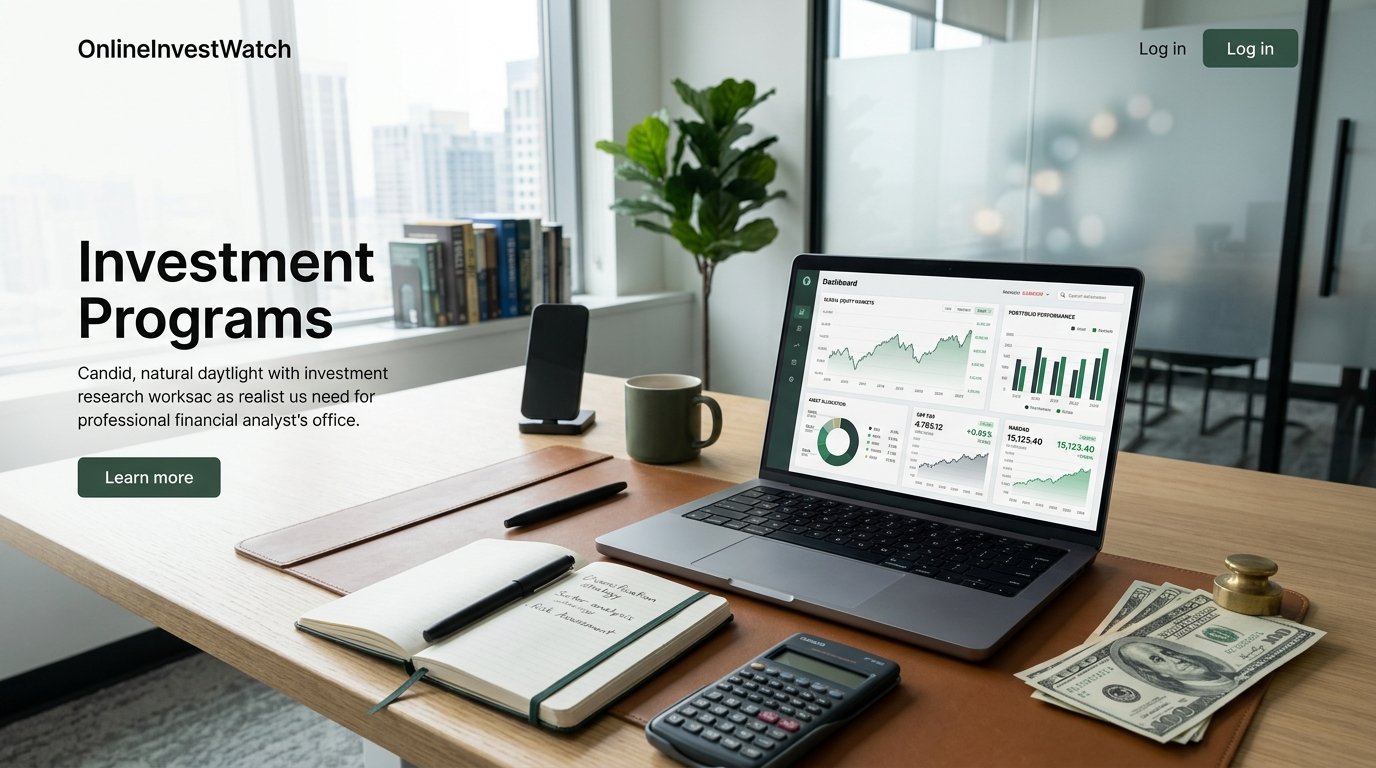
An investment website may look professional without being operated by a trustworthy business. Design, customer support, and impressive-looking dashboards are not proof of legitimacy.
Look for the company’s legal name, registered address, management information, and operating history. Then check whether these details can be independently verified.
If the company provides financial services that require authorization, search the relevant regulator’s official register. Make sure the registered business matches the company operating the website.
It is also worth checking official investor warning lists. However, the absence of a company from a warning list does not automatically mean it is safe.
Independent verification is more useful than relying solely on testimonials published by the platform itself.
3. Examine the Promised Returns and Investment Risks
Potential returns are important, but they should never be considered separately from risk.
An investment program advertising unusually high returns with little or no risk deserves closer examination. Financial markets are unpredictable, and even investments offered by regulated companies can lose money.
Pay attention to how the company describes its performance. Are the figures supported by verifiable records, or are they simply presented as marketing claims?
You should also determine whether the advertised return is gross or net of fees, whether it is guaranteed by a legally enforceable arrangement, and under what circumstances you could lose some or all of your investment.
Do not assume that previous performance guarantees future results. A convincing chart is not a substitute for independently verifiable information.
4. Read the Fees and Withdrawal Conditions
An investment opportunity may appear attractive until you examine its costs and withdrawal rules.
Before depositing money, find the answers to the following questions:
- Are there deposit, management, trading, or withdrawal fees?
- Is there a minimum investment amount?
- Can you withdraw funds at any time, or is there a lock-up period?
- Are early withdrawal penalties clearly explained?
- What happens if the platform suspends withdrawals or closes its services?
Read the terms and conditions rather than relying on statements from a sales representative.
Be especially careful if a platform asks you to make an additional payment to release your existing balance. Requests for unexpected taxes, insurance deposits, or special verification fees should be independently investigated before you send any more money.
5. Compare Investment Programs Using the Same Criteria
Comparing several opportunities side by side can help you avoid focusing on a single attractive feature.
For each program, record the same information: the minimum deposit, expected return, main risks, fees, withdrawal conditions, company details, and regulatory status.
A simple comparison table can make differences easier to identify.
| Evaluation factor | What to look for |
|---|---|
| Business model | A clear explanation of how returns are generated |
| Company background | Verifiable legal and registration details |
| Regulation | Appropriate authorization where required |
| Potential returns | Realistic claims with supporting evidence |
| Fees | Clearly disclosed costs |
| Withdrawals | Transparent rules and restrictions |
| Risk disclosure | Honest explanation of possible losses |
No single factor proves that an investment is safe. Consider the complete picture, and do not treat a high advertised return as compensation for missing information.
If you want to explore different opportunities in one place, visit our Investment Programs. Use the information there as a starting point for your own research, and independently verify any company before making a financial commitment.
6. Watch for Common Warning Signs
Some warning signs are easy to overlook when a program appears convenient or an offer seems time-sensitive.
Take extra care if you encounter:
- Guaranteed high profits with no meaningful explanation of the risks.
- Pressure to deposit immediately to avoid missing an opportunity.
- Anonymous owners or company details that cannot be verified.
- Referral rewards that appear to depend heavily on recruiting new participants.
- Unclear withdrawal procedures or unexplained payment demands.
- Testimonials and profit screenshots that cannot be independently confirmed.
One warning sign does not necessarily establish that a company is fraudulent. However, several warning signs combined should prompt you to pause and investigate before proceeding.
Never share your wallet recovery phrase, private keys, or banking passwords with an investment platform or its representatives.
7. Decide How Much Risk You Can Afford
Even after researching an investment thoroughly, uncertainty remains. Markets can change, businesses can fail, and digital assets can experience significant price swings.
Think about how a potential loss would affect your everyday expenses, emergency savings, and other financial commitments.
Avoid borrowing money to invest in an unfamiliar program. Be particularly cautious about putting essential savings into an opportunity that you do not fully understand or cannot afford to lose.
It is also sensible to avoid concentrating all your available investment capital in one platform or asset. Diversification can help manage some risks, although it cannot eliminate the possibility of losses.
If you cannot explain the investment in your own words, taking more time to research it is usually better than rushing into a decision.
Final Thoughts
Learning how to evaluate an investment program before investing is about more than comparing advertised returns. It means understanding the business model, verifying the company, examining fees and withdrawal rules, and deciding whether the risks are acceptable.
There is no checklist that can guarantee a successful investment. However, careful research can help you recognize questionable claims and make decisions based on evidence rather than pressure or unrealistic expectations.
Take your time, verify important details through independent sources, and never invest money simply because an offer looks attractive.
Disclaimer: This article is for educational and informational purposes only. It does not constitute financial or investment advice. Always conduct your own research and consider seeking advice from a qualified financial professional before investing.