
High-yield investment programs, commonly known as HYIPs, often attract attention by promising unusually high returns over short periods. While not every high-return investment website is necessarily fraudulent, the HYIP sector carries significant risks, especially when a platform depends heavily on new deposits to maintain payouts.
One of the most serious situations investors can encounter is an exit scam.
A HYIP exit scam occurs when an investment website stops operating or stops honoring withdrawals while retaining investors’ deposits. The website may disappear completely, become inaccessible, or remain online while withdrawals are repeatedly delayed.
Understanding the warning signs can help investors recognize problems before committing additional funds.
What Is a HYIP Exit Scam?
A HYIP exit scam is essentially the final stage of a fraudulent or unsustainable investment operation.
The website may operate normally for weeks or months. Investors can sometimes make successful deposits and even receive withdrawals during the early stages. This can create the impression that the platform is legitimate.
Eventually, however, problems may begin to appear.
Withdrawals might become slower, customer support may stop responding, new rules may suddenly appear, or the website may announce technical problems. In the worst cases, the entire platform disappears.
This is why an investment website should not be judged solely by whether someone has successfully withdrawn money from it.
How Does an Exit Scam Usually Develop?
There is no single pattern that applies to every HYIP, but several stages are commonly seen.
1. Strong Initial Promotion
A new investment website may launch with aggressive advertising, referral bonuses and attractive return plans.
Early users are encouraged to deposit money and invite others.
2. Regular Payments
During the initial period, withdrawals may work normally.
This can create confidence among investors and generate positive comments on forums, social networks and monitoring websites.
3. Increasing Deposits
As more people join, the amount of money flowing through the platform can increase substantially.
At this point, the website may expand its marketing campaigns and introduce additional investment plans.
4. Withdrawal Problems
Eventually, investors may begin reporting delayed withdrawals.
The explanation could be a technical problem, maintenance, payment processor issue or unusually high withdrawal volume.
A single delay does not automatically mean an exit scam. The important factor is whether problems become persistent and widespread.
5. Disappearance or Permanent Suspension
In an actual exit scam, the situation may end with the website becoming inaccessible, accounts being frozen, withdrawals being disabled or the operators simply disappearing.
Warning Signs of a Possible Exit Scam
Sudden Withdrawal Delays
One of the most important warning signs is a sudden change in withdrawal behavior.
If withdrawals that previously took hours suddenly require several days or weeks, investors should pay attention.
The explanation may be legitimate, but repeated delays deserve investigation.
Unexplained Changes to Withdrawal Rules
Another warning sign is the sudden introduction of new requirements.
For example, a platform might unexpectedly increase minimum withdrawal amounts or introduce additional conditions that were not clearly disclosed before the deposit.
Changing terms at the worst possible moment is particularly concerning.
Customer Support Becomes Difficult to Reach
If support was previously responsive but suddenly stops answering questions, this may indicate operational problems.
Investors should be especially cautious if support disappears at the same time as withdrawal complaints increase.
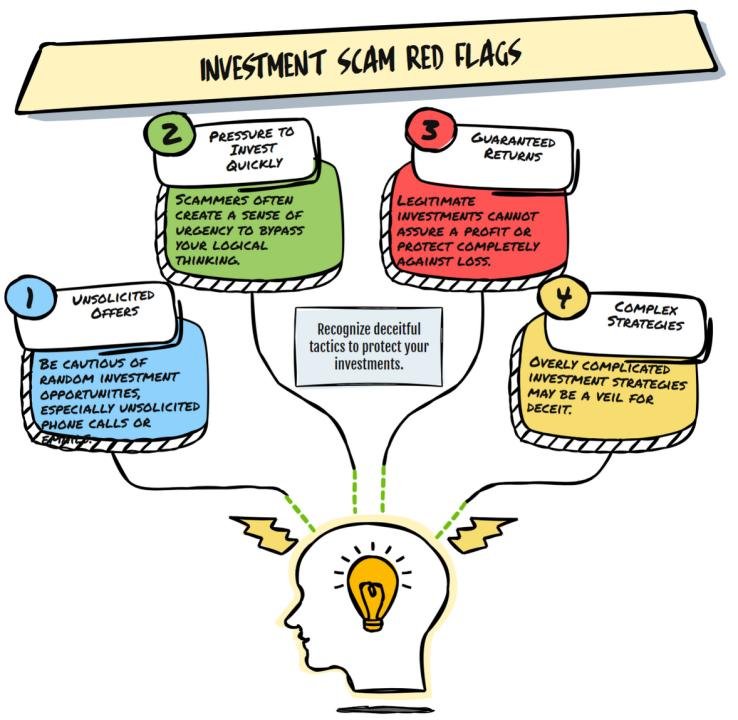
Aggressive Deposit Promotions
A platform experiencing financial pressure may increase its focus on attracting new deposits.
Watch for unusually aggressive promotions such as:
- limited-time deposit bonuses;
- unusually large referral rewards;
- pressure to reinvest;
- messages encouraging users to deposit immediately;
- claims that a special investment plan is about to close.
Promotions alone do not prove fraud, but they should be considered together with other warning signs.
Negative Information Starts Appearing
If independent users begin reporting similar withdrawal problems, do not automatically dismiss those reports.
Look for patterns rather than isolated complaints.
Several unrelated investors describing the same issue can be more meaningful than one negative review.
A Website Can Look Professional and Still Be Risky
One common mistake is assuming that a professional website means the underlying business is trustworthy.
A modern design, live chat, certificates, dashboards and professional-looking investment plans are relatively easy to create.
The more important questions concern the people and company behind the platform, how the business generates returns, and whether its claims can be independently verified.
What Should You Do If You Suspect an Exit Scam?
If you believe an investment platform may be approaching an exit, the safest approach is to avoid increasing your exposure.
Do not deposit additional money simply because the platform promises that another payment will unlock your withdrawal.
Save relevant information, including:
- account screenshots;
- transaction records;
- deposit confirmations;
- withdrawal requests;
- emails and support conversations;
- the investment terms;
- the website’s company information.
This information may become useful if you later need to document what happened.
The Importance of Due Diligence
The best time to investigate an investment platform is before depositing, rather than after withdrawal problems begin.
Check the company’s identity, domain history, investment terms, contact information, withdrawal rules and reputation.
For a more detailed checklist, see our guide HYIP Due Diligence: What to Check Before You Invest.
Final Thoughts
A HYIP exit scam rarely becomes obvious from one warning sign alone.
The greater risk comes from a combination of problems: delayed withdrawals, changing conditions, disappearing support, aggressive deposit campaigns and growing complaints from investors.
No checklist can guarantee that an investment platform is safe. However, careful research can help investors recognize situations where the risk is becoming unacceptably high.
When an investment website begins making withdrawals difficult, the priority should be protecting capital rather than finding another reason to deposit more.